Sometimes when we have got our seed of an idea... then we need to take control...ask it questions, map out our directions. We can do this in many ways but I would recommend here, looking at story structure and mapping out out. Here are two possible sheets to help you do this.
Keywords: - Moving beyond the 'beginning', 'middle' and 'end'!
EXPOSITION
It is the background information on the characters and setting explained at the beginning of the story. The EXPOSITION will often have information about events that happened before the story began. The EXPOSITION is often the very first part of the PLOT.
RISING ACTION
Rising action is the section of a story that leads toward its climax. Because of the increased tension as a book's central conflict (or conflicts) become clear, the rising action is often what keeps you turning the pages.
CONFLICT
In literature, a conflict is a literary device characterized by a struggle between two opposing forces. Conflict provides crucial tension in any story and is used to drive the narrative forward.
CLIMAX
The CLIMAX of the story is when the CONFLICT of the PLOT is resolved.It is often the most exciting part of the story: when the hero saves the princess, discovers the buried treasure, or slays the dragon. Imagine when you read a story that you are climbing up a mountainside. The CLIMAX is the mountain peak.
FALLING ACTION
In storytelling, falling action refers to the period after the dramatic confrontation of the climax. This portion of the narrative helps deflate the plot's tension and gives the character time to unwind after the emotional scene.
PROTAGONIST
Protagonist comes from a Greek word for the principal actor in a drama. In modern literature, the protagonist drives the story forward by pursuing a goal. The protagonist of a story is sometimes called the main character. The protagonist of a story is opposed by an antagonist.
ANTAGONIST
In storytelling, the antagonist is the opposer or combatant working against the protagonist or leading character and creating the main conflict. An antagonist is different from an antihero, who is a protagonist lacking traditional heroic qualities.
RESOLUTION
The resolution is the end of the story. It occurs after the CLIMAX. It is when you learn what happens to the characters after the CONFLICT is resolved.
And others...
What else? Setting, Theme, Motif, Character... all the things we have been through before...
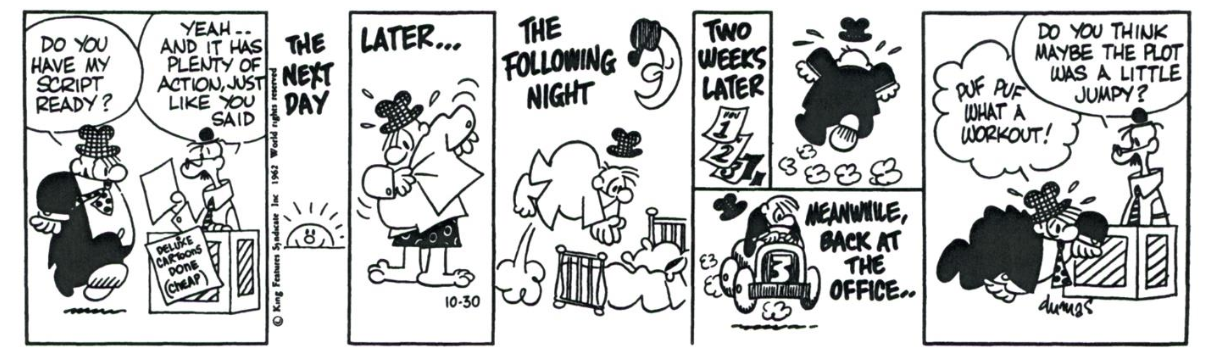
And remember!
Creative Writing Starters on Identity
1. “I have had more names than birthdays…”
(Begin with a voice reflecting on the different roles, versions, or labels they have lived through.)
2. “They say I look like him. I wish I didn’t.”
(Explore inherited identity — family, history, trauma.)
3. “The mirror does not lie. It just refuses to tell the whole truth.”
(Perfect for a poetic or metaphorical voice confronting the gap between appearance and self.)
4. “My passport says one thing. My heart says another.”
(Dual identity, cultural hybridity, or migration could unfold from here.)
5. “I deleted everything — photos, bios, usernames. I wanted to see who was left.”
(Contemporary take on digital identity and reinvention.)
6. “The first time I realised I was different, I was six and holding a lunchbox that no one else recognised.”
(Nostalgic or coming-of-age path into cultural or personal identity.)
7. “I speak three languages, but none of them can say exactly who I am.”
(Great opening for a multilingual narrator or inner conflict around expression.)
8. “I wear the uniform. I follow the rules. But inside, I am writing my own script.”
(Explore the tension between conformity and authentic self.)