Mahmoud Darwish
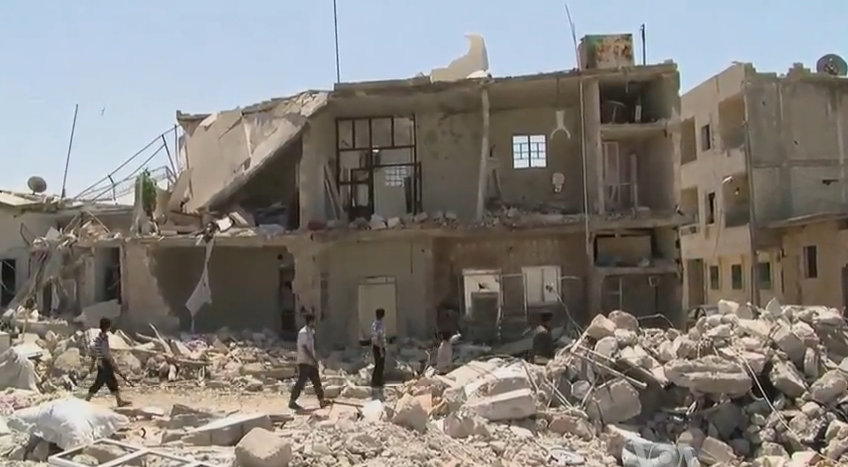
Mahmoud Darwish (1941–2008) was a renowned Palestinian poet whose work often reflects themes of exile, identity, and longing for homeland. Born in al-Birwa, a village in Western Galilee, Darwish and his family were displaced during the 1948 Arab-Israeli conflict. His experiences of displacement and statelessness deeply influenced his poetry.
To My Mother was written while Darwish was imprisoned by Israeli authorities. The poem serves as a heartfelt tribute to his mother, expressing deep yearning for her presence and the comforts of home. It also symbolizes a broader longing for the lost homeland, making it resonate with many Palestinians and others who have experienced exile.
Big Questions for Classroom Discussion
Who is poetry written for?
Is it primarily for the poet, for the person being addressed (like Darwish’s mother), or for a wider public audience? How does this shape the way it is written?
What can poetry achieve in times of crisis or exile?
Explore how poetry may function as a form of resistance, remembrance, or healing, especially when someone has lost their home or freedom.
How does poetry preserve memory and culture?
In what ways might To My Mother act as a record of a personal or national past that risks being erased?
Can a poem replace a physical place?
If someone cannot return home, can a poem become a kind of home? What does it mean to create emotional shelter through language?
Why do some poems resonate across cultures and generations?
To My Mother is deeply personal and Palestinian, yet many people connect to it. What allows a specific story to feel universal?
How does the form of a poem affect its emotional impact?
Could this poem work the same way if written as an essay or a letter? What do the line breaks, imagery, and structure allow it to do?
Is poetry more about emotion or communication?
Should poetry aim to make us feel, or to make us think, or both? How does Darwish balance emotion and meaning in this poem?
How does language shape belonging?
What does it mean that this poem was written in Arabic but read around the world? How do translation and language influence how we relate to poetry?
How much does the author's context matter?
Mahmoud Darwish was born into a Sunni Muslim family on March 13, 1941, in the village of al-Birweh, Palestine. While he was not overtly religious, Darwish was deeply familiar with Islamic texts and traditions, often incorporating religious themes and references into his poetry. His work reflects a profound engagement with cultural and spiritual motifs, drawing from various religious sources to articulate the Palestinian experience.  
Although Darwish’s poetry includes references to Christian figures and themes, these are employed metaphorically to explore broader human and national struggles, rather than indicating a personal adherence to Christianity. His use of religious imagery serves to underscore the universal aspects of displacement, identity, and resistance.
In summary, Mahmoud Darwish was a secular poet of Sunni Muslim heritage who utilized religious symbolism from multiple traditions to convey the complexities of the Palestinian narrative.