
ATL: Use appropriate forms of writing for different purposes
Note that there are two different forms of Interview presented in this lesson. Each caters for a different audience. When you write you should be considering not only what you want to say but also how you should say it to communicate it to your audience. This will effect you word choice, your style, your layout, your font....
What makes a good interview?
Okay... so I googled great interviews and came across this... any excuse to liven up a lesson!
But seriously. What does make a good interview?
Task: As a group brainstorm some ideas as to what makes a good interview.
What makes a good written interview?

Task: Look through the tips article. Brainstorm the tips you agree with and any you might want to add.
You may want to consider:
style
language
layout
content (eg types of question/detail)
Who might your intended audience be? How might it change how you present your work?
Are there different types of interview?
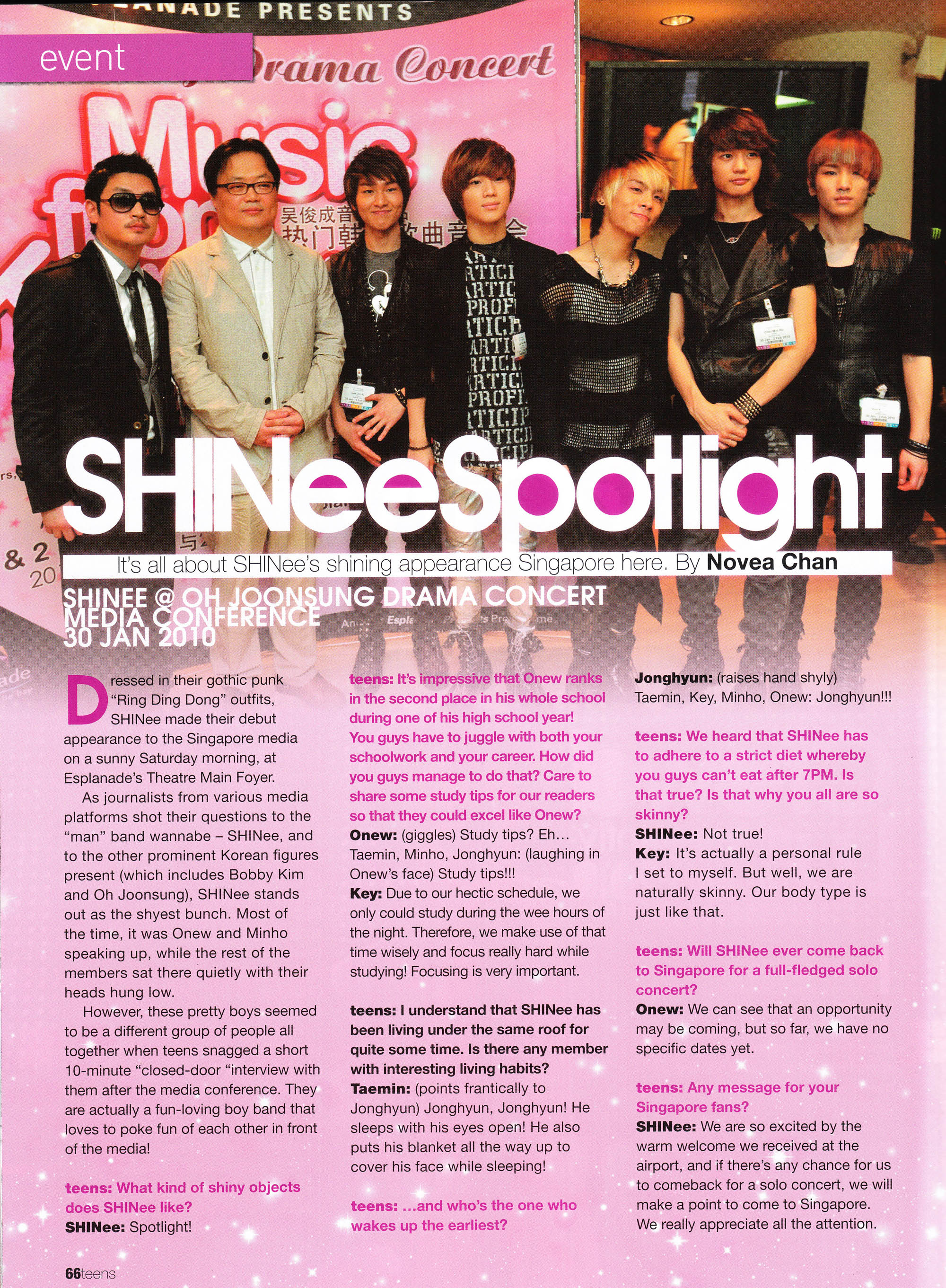
Task: Have a look at the articles above. Make a 'chart' detailing the simularities and/or differences.
Analysis of the Jimmy Gopperth Article
In this article, Gerard Meagher from The Guardian interviews Jimmy Gopperth, a professional rugby player with a long and successful career, who is entering his seventh season with Wasps at the age of 38. The article explores how Gopperth has maintained his longevity in the sport and shares insights into his perspective on rugby’s evolution.
1. Main Themes:
• Balance in Life and Sport: Gopperth credits his long career to maintaining balance between rugby and life outside of it. He grew up on a farm in New Zealand and values surfing and family time just as much as rugby.
• Rugby as a Changing Sport: Gopperth notes how rugby’s rules and strategies are constantly evolving. He highlights how professional rugby tweaks its laws every year, and while the game shifts between offensive and defensive styles, he believes the essence remains simple: score more points than the other team.
• Sharing Knowledge: Gopperth emphasizes the importance of passing on his knowledge to younger players. He feels it is crucial to mentor the next generation, as he has learned so much from his experiences in various rugby leagues.
2. Tone:
The article maintains a reflective and respectful tone, portraying Gopperth as both humble and knowledgeable. It emphasizes his laid-back personality and calm approach to his professional life while acknowledging his expertise and dedication to the sport.
3. Insights into Rugby:
• Gopperth is critical of recent changes to the game’s laws, which seem to favor defense over attack, but he believes that good players can adapt and succeed despite these changes.
• He offers a tactical critique of the British & Irish Lions’ series loss to South Africa, suggesting the Lions tried to play a defensive game similar to South Africa’s style instead of focusing on their strengths.
4. Gopperth’s Approach to Longevity:
• The article highlights Gopperth’s methods for staying physically and mentally sharp, including recovery, pursuing hobbies, and avoiding burnout.
• His mentoring role within Wasps is also a key aspect of his ongoing involvement in rugby, as he continues to contribute to the team’s development while still competing at a high level.
Instructions on How to Write an Article Analysis
Prepare Your Questions
Before the interview, prepare open-ended questions that will get your interviewee talking. Open-ended questions cannot be answered with just “yes” or “no”; they encourage detailed answers.
Sample Questions:
• “How did you get started in your field?”
• “What challenges did you face along the way?”
• “What advice would you give to young people interested in this?”
• “Can you share a memorable experience from your journey?”
Tip: Tailor the questions to the person’s story. If they’re an athlete, ask about training or competition; if they’re a teacher, ask about their most rewarding teaching moments.
Conduct the Interview
When you do the interview:
• Be polite and respectful.
• Take notes or, if possible, record the conversation (ask for permission).
• Listen carefully to their answers, and ask follow-up questions if you find something interesting.
Tip: The interview is more like a conversation. Don’t be afraid to ask additional questions based on their responses.
Write a Catchy Introduction
Your article should start with an engaging introduction that hooks the reader. It could be:
• A brief story or anecdote the interviewee shared.
• An interesting fact about the person.
• A summary of their most significant achievement.
Example:
“At 38 years old, Jimmy Gopperth shows no signs of slowing down. With a rugby career spanning almost two decades, he continues to defy expectations, balancing life on the field with hobbies like surfing and spending time with family.”
Structure the Main Body (Use Quotes)
In the body of the article, organize the information into themes or sections. These can be based on different parts of the interview, such as:
• Background: How did the person get started in their field or activity?
• Challenges: What obstacles did they face?
• Achievements: What are they most proud of?
• Future Goals: What do they want to achieve next?
For each section, use direct quotes from the interview to make it more engaging. Here’s how to incorporate quotes:
Example:
Gopperth reflects on his long career, saying, “I’ve always had that outside life, rugby is not everything. That’s been the key for me, I’ve always had that balance since I was a kid.”
Conclude with a Reflection
Wrap up the article by summarizing key insights from the interview or sharing a final thought about the person’s story. You might also mention any advice they gave.
Example:
“Jimmy Gopperth’s advice to young athletes is simple: ‘Make sure you have something outside of rugby because you need to switch off. You can’t live this life every single minute of every day because it’ll just burn you out.’ His words serve as a reminder that, in sports and in life, balance is key to longevity and success.”
Edit and Proofread
After writing your article, take time to review and edit it. Check for:
• Grammar and spelling mistakes.
• Smooth flow between quotes and your own writing.
• Clarity: Ensure the story is easy to understand.
Example Structure for Your Interview Article:
1. Introduction:
• Catch the reader’s attention with an interesting fact or story about the interviewee.
2. Background:
• Describe the person’s background and how they got started in their activity or field.
3. Challenges and Achievements:
• Discuss the main challenges they faced.
• Highlight their achievements, using quotes from the interview.
4. Future Goals:
• Talk about their future plans and what they hope to accomplish next.
5. Conclusion:
• Summarize the main ideas from the interview, and end with a memorable quote or piece of advice.
Matthew's Musings!
I wonder which task you should do? What does it matter? How would it effect your grade? How difficult is it?
I get how the asking questions and the steal lessons help but: How might the lessons on Themes and Motifs fit with this task?